Chainsaw Man is one of those series that polarizes people before they start it. You either hear it is the greatest thing in shonen right now or you hear it is gratuitously violent with no real story. Both camps exist. Both camps have watched the same show.
I am going to tell you what Chainsaw Man actually is, what to expect going in, and why it has stayed in my mind longer than most anime I have watched in the past five years.
What Is Chainsaw Man?
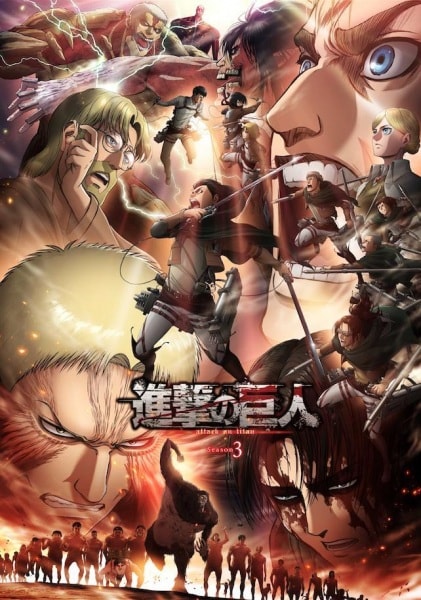
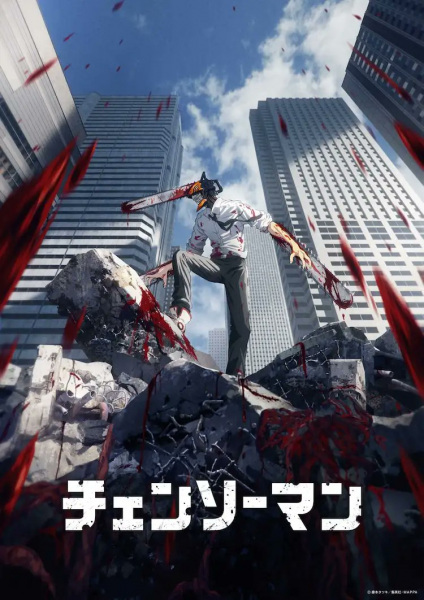
Chainsaw Man is based on a manga by Tatsuki Fujimoto, serialized in Shonen Jump starting in 2018. The anime adaptation was produced by MAPPA — the studio that did the final season of Attack on Titan — and premiered in October 2022.
The premise: Denji is a teenager living in extreme poverty in an alternate version of Japan where devils — beings that emerge from human fears — are a normal part of daily life. He hunts small devils alongside his pet devil Pochita to pay off the debt his dead father left behind to the yakuza. When the yakuza betray and kill him, Pochita fuses with his heart to save his life. Denji becomes Chainsaw Man — a hybrid who can sprout chainsaws from his body.
He gets recruited by a government agency called Public Safety that employs devil hunters. His goals upon joining: eat food that does not come out of a can, sleep in a bed, and experience basic human affection. He is not a hero. He barely qualifies as a functional person. That is precisely what makes him extraordinary.
Why Chainsaw Man Is Different from Normal Shonen
Most shonen protagonists have clear moral frameworks. They protect people. They fight because it is right. Naruto fights for recognition and then for his friends. Midoriya fights to be a hero because heroes inspire him.
Denji does not have that. He fights because it is his job and because he wants very small, very human things that were denied to him during an impoverished childhood. He is not working toward a grand ideal. He is working toward a warm meal and someone who is nice to him.
This sounds like it would make him unsympathetic. It does not. Denji is so completely honest about what he wants, so incapable of pretending to want more, that he ends up being one of the most human protagonists in shonen anime. He does not perform heroism. He survives, and occasionally something heroic happens as a side effect.
The series also has an unusual relationship with death. Characters die suddenly, without dramatic last words, without final speeches about what their life meant. Fujimoto kills people you are certain are permanent members of the main cast. This creates genuine tension because the usual shonen contract — the protagonist and their core team will survive — does not apply here.
The Characters
Denji — the protagonist. Former devil hunter turned chainsaw hybrid. His main character trait is an inability to strategize more than two steps ahead, which the show uses for both comedy and genuine danger.
Makima — his handler at the Public Safety Division. She is calm, powerful, and genuinely impossible to read. She is the most interesting character in the series and I will say nothing more specific than that. Watch and see.
Power — a Blood Fiend working alongside Denji. She is chaotic, completely self-centered, and feral in the best possible way. She is also one of the funniest characters in recent anime, and her development over the course of Season 1 is far more affecting than her introduction would suggest.
Aki Hayakawa — Denji's other partner. Professional, serious, and working under a personal vendetta against a specific devil. The contrast between his competence and Denji's complete absence of it generates a lot of the show's best comedy.
The Animation
MAPPA's adaptation is one of the most visually ambitious anime productions in recent memory. The fight sequences are kinetic and chaotic in a way that feels deliberately disorienting — violence in Chainsaw Man is not choreographed beauty, it is brutal and fast and over quickly. The cinematography draws on film references — Fujimoto's original panels have strong visual composition that the anime honors with unusual framing choices.
The opening theme "Kick Back" by Kenshi Yonezu became one of the most-streamed anime songs of 2022. Each episode gets a different ending theme from a different artist, each with its own music video. These became a weekly conversation topic on their own.
Season 1 vs Season 2
Season 1 covers what manga readers call the Public Safety Saga — the first major arc of the manga. It is a complete story with a beginning, middle, and devastating end. Twelve episodes, each around twenty-three minutes. You can watch it in a weekend.
Season 2, titled Chainsaw Man: The Reze Arc, adapts the next major storyline from the manga. The tone shifts somewhat — it is more focused on a single extended narrative rather than the more episodic structure of Season 1. The animation remains exceptional.
What You Should Know About the Themes
The surface of Chainsaw Man is blood and chainsaws and extremely dark humor. Underneath it, the series is about what happens to children who grow up without being loved.
Denji's desires — food, warmth, physical contact, someone being kind to him — are so fundamental that they would be unremarkable in a person who had a normal childhood. In Denji they are remarkable because he has never had any of them. His entire arc is someone learning, very slowly and imperfectly, what it feels like to want things beyond survival.
Power's arc parallels this. Aki's arc parallels this from a different angle. Fujimoto builds this quietly underneath the action and absurdist comedy. You might not consciously notice it on a first watch. You will notice it later when you think about why the show stayed with you.
Who Is Chainsaw Man For?
It is not for viewers who want a straightforward shonen power fantasy with heroic outcomes. The protagonist's goals are small and personal. The violence is sudden and unglamorous. The story does not reward characters for being heroic — it frequently punishes them for it.
If you liked Attack on Titan's willingness to kill characters and subvert genre expectations, you will almost certainly like Chainsaw Man. If you liked Jujutsu Kaisen's action quality but wanted something tonally stranger and more psychologically interesting, same answer.
Watch Order
1. Chainsaw Man Season 1 (2022, 12 episodes) 2. Chainsaw Man: The Reze Arc / Season 2 (2024–2025)
No prequels required. No supplemental material needed. Start at episode one.
Final Verdict
Chainsaw Man is the most original shonen anime of the 2020s. It takes risks with character, death, and genre convention that most popular manga would never attempt. The MAPPA adaptation is one of the best-produced anime of the decade. If you have been waiting to start it, stop waiting.