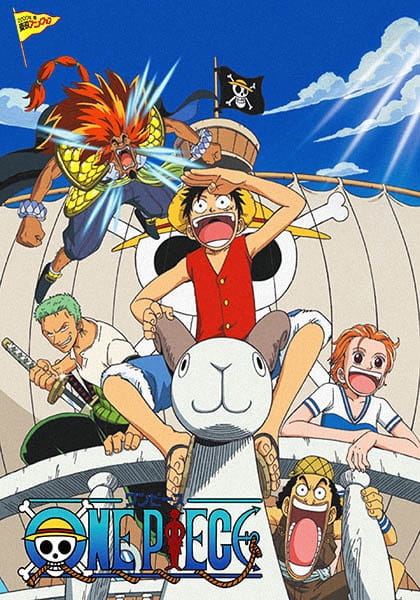

Live-action anime adaptations have a famously terrible track record, which is exactly why Netflix's One Piece was such a shock: it was good. Genuinely, surprisingly good — a faithful, joyful, well-cast adaptation that pleased longtime fans and newcomers alike, and became a massive hit for the platform. With Season 2 continuing the Straw Hats' voyage, here is what to expect and why this adaptation broke the curse.
Some spoilers about which arcs are coming follow.
Why Season 1 Worked
The first season adapted the East Blue saga — the beginning of Monkey D. Luffy's journey as he assembles his initial crew — and it succeeded where so many live-action anime failed for a few key reasons. The casting was excellent, with Iñaki Godoy's Luffy in particular capturing the character's infectious optimism and elastic physicality. The production respected the source material's tone, embracing One Piece's cartoonish sincerity rather than trying to make it gritty and "realistic." And critically, original creator Eiichiro Oda was heavily involved, ensuring the adaptation stayed true to the spirit of his work.
The result was an adaptation that felt like One Piece — colorful, heartfelt, and adventurous — rather than an embarrassed attempt to sanitize it for a mainstream audience. That fidelity is why fans embraced it and why it became one of Netflix's biggest successes.
What Season 2 Covers
Season 2 moves the Straw Hats into the next stretch of their journey, adapting the arcs that follow East Blue. This means new islands, new threats, and — most excitingly for fans — the introduction of beloved new characters who join or cross paths with the crew. The manga's early Grand Line arcs contain some of the series' most iconic moments and most memorable characters, and bringing them to live-action is a significant step up in scale and ambition.
Without spoiling specifics for newcomers: the arcs ahead deepen the crew's bonds, raise the emotional stakes, and introduce fan-favorite characters whose live-action debuts have been highly anticipated. Season 2 is where the world of One Piece truly begins to open up.
Why the Adaptation Matters
One Piece is the best-selling manga of all time and one of the most beloved stories in the world, but its enormous length (over 1,000 anime episodes) makes it intimidating for newcomers. The live-action series offers a streamlined entry point — a way for people who would never start a 1,000-episode anime to experience the story and characters. Many viewers who loved the Netflix show went on to start the anime or manga, making the adaptation a genuine gateway to the larger franchise.
For longtime fans, meanwhile, the series is a joy precisely because it takes the source seriously. Seeing these characters and moments realized in live-action with care and budget — and with Oda's blessing — is a validation of a story fans have loved for decades.
Where to Watch
One Piece is a Netflix original, so both Season 1 and Season 2 stream exclusively on Netflix worldwide. Season 1 is available to catch up on now, and it is the essential starting point — Season 2 continues directly from it, so newcomers should begin at the beginning.
Why This Adaptation Broke the Curse
For decades, "live-action anime adaptation" was practically a punchline. A long line of high-profile attempts — from Hollywood and Japan alike — failed by fundamentally misunderstanding what made their source material work, usually by stripping out the tone, the heart, and the specific weirdness that fans loved in the first place. Netflix's One Piece succeeded precisely because it did the opposite: it leaned into the source material's sincerity rather than being embarrassed by it.
The key lesson other adaptations kept missing is that faithfulness is not about copying every plot point — it is about capturing the spirit. One Piece the manga is earnest, colorful, and emotionally direct, and the live-action series understood that trying to make it "gritty" or "realistic" would kill exactly what people love about it. Instead, it committed to the world's cartoonish sincerity, cast actors who genuinely embodied their characters, and kept creator Eiichiro Oda involved to guard the story's soul. The result feels like One Piece, and that is the whole game.
That success has real implications for the medium's future. Every hit adaptation makes studios more willing to invest in doing these projects properly rather than cynically, and it raises the bar for what fans will accept. One Piece proved that live-action anime does not have to be a compromise or an embarrassment — it can be a genuine celebration of the source that even brings new fans to the original. Season 2 carries that momentum forward, and if it maintains the quality of the first, it will further cement the show as the template for how these adaptations should be done. For a genre with such a troubled history, that is a genuinely exciting thing to witness — and a sign that the era of the cursed live-action anime adaptation may finally be ending.