
Sub versus dub is the oldest argument in anime fandom, and most takes on it are useless because they start from tribal loyalty instead of honesty. I have watched more than 300 series over ten-plus years — some subbed, some dubbed, many both ways — and the truthful answer is the one nobody wants to hear: it depends on the show, and anyone who tells you one side is always right is selling you their identity, not advice.
Here is the actual breakdown, including which specific shows I would genuinely recommend watching dubbed, and when subtitles are non-negotiable.
The Case for Subs
The strongest argument for subtitles is simple: the Japanese voice track is the one the director actually directed. Casting, comedic timing, emotional delivery — all of it was shaped by the people who made the show. When Japanese voice actors scream, cry, or break, that performance was tuned take-by-take against the animation.
Japan's voice acting industry is also deeper than any other country's. Seiyuu are trained specialists in a fiercely competitive field, and the top tier — the Megumi Hayashibaras and Yuki Kajis of the world — deliver performances that simply have no equivalent English recording.
Subs also win on speed and completeness. Simulcast subtitles arrive within hours of the Japanese broadcast, while dubs lag weeks or months. Plenty of older or niche series never receive a dub at all. If you only watch dubbed, entire corners of the medium are closed to you.
The Case for Dubs
Here is what sub purists will not admit: reading subtitles costs you animation. Your eyes spend a meaningful fraction of every scene at the bottom of the screen, and in visually dense shows you miss background jokes, subtle facial animation, and compositional detail. On a first watch of something gorgeous, that is a real loss.
Modern dubs are also just good now. The English dub industry of 2026 is unrecognizable compared to the rough recordings of the 1990s. Studios cast well, scripts are localized by people who care, and some performances are legitimately better than the originals. Dubs also let you watch while eating, exercising, or multitasking — which is honestly how a lot of real-life watching happens.
Accessibility matters too. For viewers with dyslexia, vision impairments, or anyone who processes spoken language more easily than fast-scrolling text, dubs are not a preference, they are the difference between watching and not watching.
Shows I Genuinely Recommend Dubbed
Some dubs are so good they are arguably the definitive version:
- ›Cowboy Bebop — Steve Blum's Spike Spiegel is one of the great voice performances in any language. Even Japanese fans acknowledge this dub.
- ›Fullmetal Alchemist: Brotherhood — Vic Mignogna's Edward and the entire ensemble cast deliver a flawless track. Most Western fans consider this the default way to watch.
- ›Ghost Stories — a legendarily unfaithful comedy dub that turned a mediocre show into a cult classic.
- ›Black Lagoon — the story is set in a multinational criminal underworld; English simply fits the setting better.
- ›Baccano! — 1930s American gangsters speaking with period-appropriate accents. The dub is the immersion.
- ›Space Dandy — the dub aired before the Japanese broadcast, and the English cast swings for the fences.
Shows Where I'd Insist on Subs
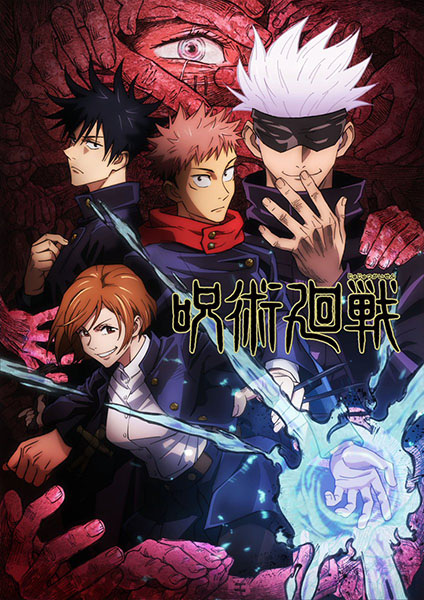
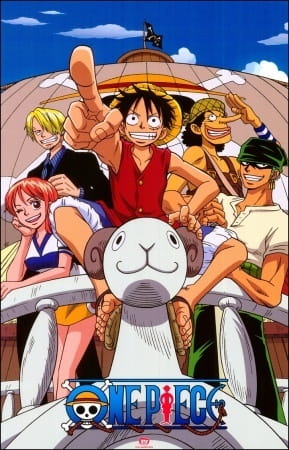
Comedy built on Japanese wordplay (Nichijou, Gintama) loses layers in any translation, and rapid-fire dialogue shows lose timing. Series where cultural context is the substance — Showa Genroku Rakugo Shinju being the perfect example, since it is literally about a Japanese oral performance art — need the original track. And for ongoing simulcasts like One Piece or Jujutsu Kaisen, subs are weeks ahead, which matters if you live anywhere near social media spoilers.
What I Actually Do
My honest system: seasonal simulcasts get watched subbed because that is where the conversation is. Rewatches often get the dub, because the second time through I want to soak in the animation. Background comfort shows get dubbed. Anything dialogue-dense and culturally rooted gets subbed. Action spectacles work great either way.
If you are new to anime, start with whichever removes friction. The goal is to fall in love with the medium, and no gatekeeper's opinion about "authenticity" matters more than you actually enjoying what you watch. You can develop preferences later — most longtime fans end up exactly where I am: happily using both.
Tips for a Better Experience Either Way
A few practical things I wish someone had told me earlier. If subtitles feel exhausting, it is usually a speed problem, not a you problem — after two or three series your reading becomes automatic and you stop noticing the text entirely. Give it twenty episodes before deciding subs are not for you.
If you watch dubbed, check who licensed the show before judging a bad first impression: the same series can have wildly different dub quality across eras, and many older shows received modern re-dubs. And regardless of which side you pick, turn on subtitles for names and terminology even when watching dubs — attack names, honorifics, and place names stick much faster when you see them spelled, which makes bigger franchises like One Piece and Jujutsu Kaisen far easier to follow across hundreds of episodes.