
I get asked this question more than any other. A friend, a family member, a coworker sees me watching something and asks: "I keep hearing about anime. Where do I even start?"
It is a fair question. Walking into anime cold is like walking into a library with no signage. There are thousands of options. Some are for children. Some are deeply adult. Some run for a thousand episodes. Some are twelve episodes and done. How is anyone supposed to know what to pick first?
I have introduced anime to probably twenty people over the years. Family members. Friends. People who were completely skeptical. I have gotten pretty good at figuring out where different people should start. This guide is what I tell them.
What is Anime, Exactly?
In Japan, anime just means animation — any animation, including Disney movies. Outside Japan, the word specifically refers to animation produced in Japan or in a Japanese visual style.
The medium covers literally every genre and demographic. There is anime for five-year-olds and anime that is deeply not appropriate for five-year-olds. There are romantic comedies, psychological horror, historical drama, sports anime, cooking anime, music anime — if you can name a genre, anime has probably covered it extensively.
The key thing to understand is that anime is a medium, not a genre. Saying "I do not like anime" is as broad as saying "I do not like films."
Where to Watch
You do not need to pirate anime. There are excellent legal options.
Crunchyroll is the biggest dedicated anime streaming platform. It has the largest catalog and simulcasts new episodes within hours of Japanese broadcast. There is a free tier with ads and a premium subscription available.
Netflix has invested heavily in anime and has some excellent exclusives including Cyberpunk: Edgerunners and Castlevania.
Amazon Prime Video has a good selection including Vinland Saga and Dororo.
In Nepal and many parts of Asia, Crunchyroll's catalog varies. If you cannot find something there, check if it is available on Netflix in your region.
Dubbed vs Subtitled
Every new anime fan has to make this decision. Here is my honest take.
Subtitled anime — Japanese audio with English subtitles — is almost always the better experience. The original voice performances carry emotion and nuance that dubbing sometimes loses. I watch everything subtitled and have for years.
That said, subtitles require your full attention. You cannot look away. If that sounds exhausting for a first experience, there is no shame in starting dubbed. A lot of popular shows have excellent English dubs. My Hero Academia, Dragon Ball Z, and Fullmetal Alchemist: Brotherhood all have great dubs.
My recommendation: try both. Watch the first episode of your chosen show dubbed, then watch it subtitled. See which feels more natural to you.
What to Watch First — By Your Existing Interests
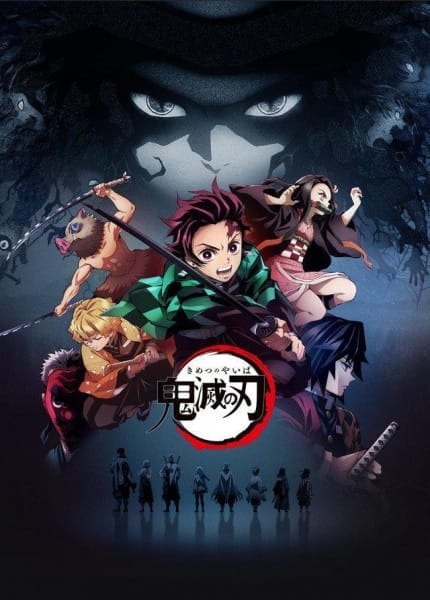
If you like action movies: Start with **Demon Slayer**. It has the most stunning action animation in television history, an emotional story about siblings, and episodes of a very manageable length. You will finish Season 1 in a weekend.
If you like mystery or thriller films: **Death Note**. Genius student finds a notebook that kills anyone whose name is written in it. Then a legendary detective starts hunting him. It is the most intense cat-and-mouse story I have watched. You will not be able to stop.
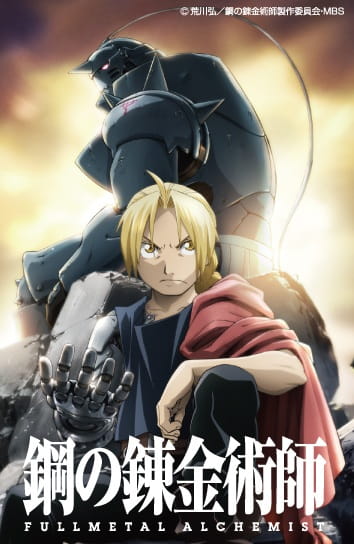
If you like fantasy epics: **Fullmetal Alchemist: Brotherhood**. It has everything — world-building, complex characters, political intrigue, genuine humour, and emotional weight. The best-rated anime of all time for a reason.
If you like science fiction: **Steins;Gate** for something cerebral, or **Cowboy Bebop** if you want something more cinematic and cool.
If you like romance or drama: Start with the film **Your Name** (Kimi no Na wa). It is a two-hour movie that is one of the most beautiful love stories I have experienced. Perfect gateway into anime for people who are not sure about the medium.
Understanding Anime Episodes and Seasons
Anime seasons work differently from western TV. A "season" in anime is typically 12-13 episodes (called one cour) or 24-26 episodes (two cour). This is different from the 20-22 episode American TV season.
Many popular long-running anime like One Piece and Naruto have been airing continuously for years or decades. These are not good starting points for complete beginners. Start with something that has a clear endpoint.
Shows with a defined, completable story: Fullmetal Alchemist Brotherhood, Death Note, Demon Slayer, Steins;Gate, Attack on Titan. These are all excellent starting points because you can actually finish them.
Common Terms You Will Encounter
Shonen — Anime aimed at teen boys. Usually action-focused with themes of friendship and growth. (Naruto, My Hero Academia, Demon Slayer)
Seinen — Anime for adult men. Usually more complex and mature. (Vinland Saga, Berserk, Monster)
Shojo — Aimed at teen girls. Often romance-focused. (Sailor Moon, Fruits Basket)
Filler — Episodes created to give the manga time to get ahead. Not from the original story. Safe to skip in long-running series.
OVA — Original Video Animation. Special episodes released separately from the main series.
Final Advice
Do not let anyone make you feel bad for where you start. Some people in anime communities can be snobbish about what counts as "real" anime. Ignore them. Start with whatever sounds interesting to you.
The goal is to find one show that makes you forget you were ever skeptical. Once you find it, everything else opens up naturally. For me it was Naruto at age twelve. For my cousin it was Violet Evergarden at age twenty-eight. There is no wrong door in. Just start walking through one.