
The hardest thing to write about in anime is characters. Everything else — animation quality, plot structure, soundtrack — can be evaluated with some degree of objectivity. Characters can't. A character that destroyed one person emotionally barely registers for another. The connection is personal.
With that caveat upfront: here are the fifteen anime characters I think about most, years after watching their shows. Not the most powerful. Not the most popular. The ones who felt the most real, or whose function in their story felt the most necessary, or who did something I had never seen a fictional character do before.
This is a personal list. It will be wrong in the ways all personal lists are wrong. It might help you find something to watch.
1. Guts — Berserk (1997 / Manga)
Guts is the most complete portrayal of trauma in anime. Not the most sympathetic — Guts is often brutal and closed-off in ways that are difficult to watch. But the logic of why he is that way, the way the show traces what happened to him against what he became, is more psychologically honest than most literary fiction manages.
The Golden Age arc of Berserk shows you who Guts was before everything went wrong. The rest of the story shows you what surviving requires. The gap between those two versions of the same person is one of the most devastating things in the medium.
The 1997 anime covers the essential material. The manga goes much further and is worth reading.
2. Edward Elric — Fullmetal Alchemist: Brotherhood
Ed is the gold standard for shonen protagonists because he fails constantly and learns from it. He's arrogant and stubborn and frequently wrong about exactly the things he's most confident about. He's also brilliant, funny, and genuinely devoted to people in a way that doesn't feel performed.
What makes Ed exceptional is that his emotional growth is tied directly to his intellectual growth. As he understands the world better, he becomes a better person. That's not a common thing to depict convincingly. Brotherhood does it across 64 episodes and never loses the thread.
3. Johan Liebert — Monster
Johan is the most frightening character in anime and the reason is that he isn't supernatural. He doesn't have powers. He wins by understanding people — by finding the darkest thing in each person he meets and illuminating it until they can't look away from it.
Monster dedicates significant time to making Johan's psychology coherent. By the end of the series, you understand why he is the way he is. Understanding doesn't make him less frightening. It makes him more.
4. Shinji Ikari — Neon Genesis Evangelion
Shinji is one of the most misunderstood characters in anime history. He's frequently criticized for being weak, passive, and indecisive — which is exactly the point. Shinji is fifteen years old, has been emotionally abandoned by his father, is being asked to pilot a weapon that causes him genuine psychological damage, and is surrounded by adults who treat his distress as an inconvenience.
His response to this situation — paralysis, withdrawal, desperate craving for approval — is not a character flaw. It's an accurate portrait of a specific kind of adolescent pain. The show understands him even when the people around him don't.
5. Levi Ackerman — Attack on Titan
Levi works because he is the most competent person in his world and it has cost him everything. He's lost more people than anyone else in the Survey Corps. He keeps fighting anyway. The show never explains this as heroism — it explains it as the only thing he knows how to do.
The scene in Season 4 where Levi has lost everything again and keeps moving — no speech, no moment of inspiration, just continuing — is one of the most quietly devastating things the series does. Levi doesn't have a redemption arc because he doesn't need one. He just has a trajectory.
6. Rem — Re:ZERO
Rem is on this list for one scene. The rest of her character development earns it, but the scene in Episode 18 — "From Zero" — is the reason she's been the most popular anime character multiple years running.
The content of what she says to Subaru in that scene, the way she articulates what she sees in him when he can't see it himself, is the most moving piece of character writing I have encountered in anime. It doesn't work without everything that came before it. With it, it's devastating.
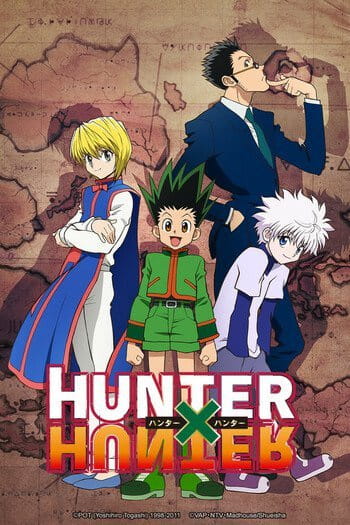
7. Killua Zoldyck — Hunter x Hunter
Killua is what happens when a character designed to be an assassin from birth tries to learn to be a friend. The internal conflict between his conditioning and his genuine affection for Gon is the emotional engine of HxH.
The moment in the Chimera Ant arc where Killua removes the needle from his head — the one his brother implanted to keep him from running from fights — is the most significant character beat in the series. It happens quietly, with minimal fanfare. The show trusts you to understand what it means.
8. Roy Mustang — Fullmetal Alchemist: Brotherhood
Mustang is what Ed could become if he survived long enough — ambitious, politically sophisticated, and carrying the weight of things he did during the war. His exterior is confidence bordering on arrogance. His interior is guilt he doesn't know how to process.
The episode where Mustang confronts Envy is the most emotionally complex sequence in Brotherhood. Ed stops him. The show's position on what Mustang was about to do is complicated and correct.
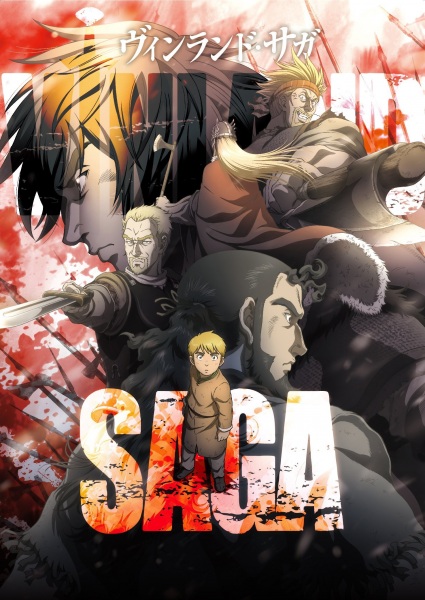
9. Thorfinn — Vinland Saga
Thorfinn across both seasons of Vinland Saga is the most complete character arc in anime I've seen in the last ten years. Season 1 shows you a child becoming a weapon. Season 2 shows you that weapon trying to become a person again.
What makes it work is that the show doesn't let Thorfinn off the hook. The things he did in Season 1 are real. Season 2 doesn't erase them — it shows what it actually costs to choose a different way after you've already chosen violence.
10. Light Yagami — Death Note
Light is the most successful portrayal of a brilliant person convincing themselves that their intelligence justifies their power. The early episodes of Death Note show you the logic of his thinking in enough detail that you understand it. Then the show spends 30 episodes showing you where that logic leads.
The final episode of Death Note is the most satisfying conclusion to an antagonist arc I've seen in anime. Everything the show built leads to that moment and the moment earns it.
11. Itachi Uchiha — Naruto Shippuden
Itachi is the character who made me understand that a villain can be more compelling than a hero. He appears as a monster in Naruto's early arc. By the time his full story is revealed in Shippuden, he's one of the most tragic figures in the series.
The Itachi revelation asks you to rewatch everything you thought you understood about his character. That recontextualization — making you see the same actions differently — is a storytelling technique that very few series pull off.
12. Makima — Chainsaw Man
Makima is the character who made me realize I had been watching anime wrong. She appears to be a mentor, a romantic interest, an authority figure. She is none of those things. What she actually is changes the meaning of every interaction you watched before you knew.
The reveal of what Makima is and what she wanted is the most sophisticated piece of character writing in recent anime. It requires a rewatch to fully appreciate.
13. Violet Evergarden — Violet Evergarden
Violet is the most beautiful arc in anime about learning to understand emotion. She was a weapon. She doesn't understand what people mean when they talk about love, connection, or loss. The series is about her learning — one letter at a time, one client at a time — what those words mean.
The episode about the boy who writes letters to his mother deserves to be taught in animation schools as an example of how to create emotional impact with restraint.
14. Gojo Satoru — Jujutsu Kaisen
Gojo works because he's the most powerful person in his world and the show refuses to make him the protagonist. He exists at the edge of the story, doing things we mostly don't see, because the story is about what happens when he's not there.
The Gojo vs. Sukuna fight in Season 2 is the most technically accomplished animated fight sequence in recent memory. What the show does with Gojo after that fight is the most emotionally significant moment JJK has produced.
15. Usagi Tsukino — Sailor Moon (1992)
I'm ending with Usagi because she doesn't get enough credit for being one of the first anime protagonists to show that emotional openness is strength rather than weakness. She cries constantly. She's terrified constantly. She keeps going anyway.
Sailor Moon defined a generation of shoujo storytelling and Usagi is the reason. A protagonist who is allowed to be afraid, who is allowed to want ordinary things alongside extraordinary ones, who is allowed to love people without that love making her less capable — that was radical in 1992 and is still rarer than it should be.
The Pattern
Looking at this list, I notice what all fifteen characters have in common: they change. Not all of them change for the better. Some of them make choices that destroy them. But they all become something different from what they were at the start, and the shows they're in care enough to show how.
That's what I look for in an anime character. Not power. Not likability. Just the genuine sense that their story mattered, and that it could only have happened to them.