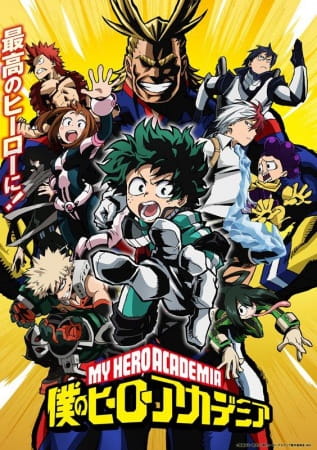

After nearly a decade of episodes, movies, and one of the biggest fandoms in modern anime, My Hero Academia is ending. The final season began airing in October 2025, adapting the closing act of Kohei Horikoshi's manga — which finished its run in August 2024 — and bringing Izuku Midoriya's story to its actual, definitive conclusion.
This article covers where the final season sits in the story, how the ending works, and my honest read on whether it sticks the landing. Fair warning: the second half of this article discusses the ending in broad terms. I keep specifics soft, but if you want to go in completely blind, bookmark this and come back after.
Where the Final Season Picks Up
The final season adapts the aftermath of the Final War arc — the all-out battle between the heroes and the combined forces of Tomura Shigaraki and All For One that consumed the previous season. Japan's hero society is in ruins, public trust has collapsed, and the surviving students of U.A. are no longer kids playing at heroism. They are the front line.
The core of the season is the last confrontation between Deku and Shigaraki, which the entire series has been building toward since a trembling, quirkless boy asked All Might whether he could be a hero. What elevates it is that Horikoshi refuses to let it be a simple good-versus-evil slugfest. Deku's defining trait has never been One For All — it is that he sees people. And the season forces him to see Tenko Shimura, the crying child inside the villain who was failed by every adult and every system before All For One ever touched him.
The Question the Ending Asks
My Hero Academia's final act is built on one question: can you save someone who does not want to be saved? The series has always been about the gap between what hero society rewards — rankings, popularity, flashy victories — and what heroism actually is, which the story locates in small, unglamorous acts of reaching out. All Might saving Deku was never about strength. It was about being seen at your lowest moment.
The ending answers its question honestly rather than sentimentally, and that choice is why I think it works. Not everyone can be saved. But the attempt itself changes things — it changes Deku, it changes what Shigaraki's end means, and it changes the society that watches it happen. The villains get endings that take their pain seriously without excusing their choices. Himiko Toga's resolution with Ochaco, in particular, is some of the best character writing in the entire series.
What Happens to Deku
Speaking broadly: the cost of the final battle is enormous, and the story does not hand Deku a painless victory. The epilogue jumps forward in time and shows what his life becomes afterward — and the final chapters sparked plenty of debate among manga readers when they landed, because Horikoshi commits to consequences instead of a clean reset.
But the very end lands on the series' thesis with real grace. The story closes the loop on the question of what makes a hero, and the answer has nothing to do with power. The people around Deku — the friends, teachers, and classmates his kindness accumulated across ten years of story — get to give something back. I will not say more than that, except that the final scene made the entire journey feel worth it, and the anime's production elevates moments that read as quiet on the page.
Is the Ending Actually Good?
My honest verdict: yes, with an asterisk. The final act's battle pacing occasionally drags — a longtime franchise habit — and some beloved side characters get less resolution than their fans hoped. If you wanted every one of the forty-plus Class 1-A and pro hero arcs tied with a bow, you will find gaps.
But the things the series cared most about — Deku and Shigaraki, All Might's legacy, the meaning of One For All, the critique and reconstruction of hero society — all land. Compared to the messy endings that have plagued big shonen franchises, My Hero Academia ends on purpose, saying what it always meant to say. That is rarer than it should be.
If You're Catching Up Before the Finale
For lapsed fans wondering how much homework the final season requires: the essential viewing is the previous two seasons, which cover the Paranormal Liberation War and the Final War — everything from Deku leaving U.A. through the battle that leaves hero society in ruins. If you fell off earlier than that, the franchise's recap films and season-opening summary episodes genuinely help, but the emotional stakes of the ending depend on the war arcs, so I would not skip them entirely.
And if you have never watched My Hero Academia at all, you are honestly in the best position of anyone: you get to experience a completed, beginning-to-end superhero epic with no waiting, no hiatus anxiety, and a finale that was written as an ending rather than a cancellation. Very few long-running shonen can offer that.