
Seinen is the anime demographic aimed at adult men, but in practice it has become shorthand for something broader: anime that treats its audience as grown-ups. Where shonen tends toward clear heroes, escalating power, and the triumph of effort, seinen sits in moral grey zones, lets its characters fail, and asks hard questions without easy answers. If you have aged out of pure power fantasy and want anime with weight, these fifteen seinen series are where you start.
The Essential Masterpieces
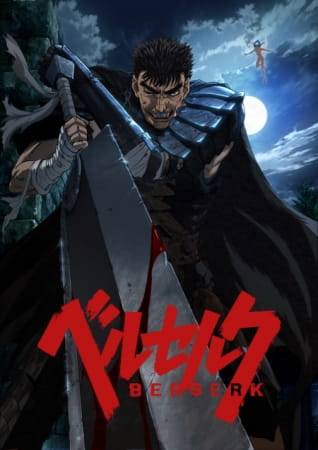
Berserk (1997) is the foundational seinen text — a brutal, tragic dark-fantasy epic about ambition, trauma, and the cost of dreams. The original series' Golden Age arc is essential viewing, and its influence runs through nearly every dark anime that followed. Difficult and devastating, but unforgettable.
Monster is a slow-burn psychological thriller about a surgeon hunting the patient he saved, who grew up to be a serial killer. It is a masterclass in tension, moral philosophy, and character, with almost no action and more suspense than shows that are nothing but. One of the greatest anime ever made, full stop.
Vinland Saga begins as a Viking revenge story and evolves into a profound meditation on violence, forgiveness, and what it means to be a true warrior. Its central question — whether a cycle of vengeance can ever be broken — is explored with a patience and honesty that few action series attempt.
Vagabond-style samurai drama and historical seinen round out this top tier, offering grounded, adult takes on violence and self-mastery that shonen rarely reaches.
The Psychological Heavyweights
Seinen excels at getting inside broken minds. Welcome to the NHK is a raw, uncomfortable, and darkly funny look at social withdrawal, depression, and addiction — one of the most honest depictions of mental illness in any medium. Paranoia Agent, from the legendary Satoshi Kon, is a surreal psychological mystery about societal pressure and escapism. And Perfect Blue, also Kon, is a psychological horror film about identity and fame that influenced Hollywood directors for decades.
These works are not comfortable, but they are rewarding in a way pure entertainment rarely is. They use anime's visual freedom to depict interior states — anxiety, dissociation, obsession — that live-action struggles to capture.
The Thoughtful Sci-Fi and Cyberpunk
Seinen has produced anime's greatest thinking-person's science fiction. Ghost in the Shell and its Stand Alone Complex series interrogate consciousness, identity, and technology with a rigor that predicted decades of real-world debate. Steins;Gate blends time-travel mechanics with genuine emotional stakes. Psycho-Pass builds a dystopia around the question of what happens when an algorithm decides who is a criminal before they act. And Cowboy Bebop remains the coolest, most soulful space-western ever animated.
This is anime for people who want ideas alongside their entertainment — stories that stay with you because of what they made you think, not just what they made you feel.
The Grounded Character Dramas
Not all seinen is dark. March Comes in Like a Lion is a gorgeous, gentle exploration of depression, found family, and healing, wrapped around competitive shogi. Mushishi is a serene, episodic meditation on humans and nature. And Spice and Wolf is a smart, warm story built around medieval economics and one of anime's best romances. These prove seinen can be tender as easily as it can be brutal.
Why Watch Seinen
The value of seinen is that it respects you. It does not assume you need a hero to root for, a clear villain to hate, or a happy ending to feel satisfied. It trusts you to sit with ambiguity, to empathize with flawed people, and to draw your own conclusions. If shonen is the thrilling adventure of youth, seinen is the harder, richer storytelling of adulthood — and once you acquire the taste, it is hard to go back.
Start with Monster or Vinland Saga if you want a gateway; both are accessible masterpieces. From there, follow your interests into the darkness or the quiet, whichever calls to you.
Making the Jump From Shonen to Seinen
If you grew up on shonen and are curious about seinen but intimidated by its reputation for bleakness, the transition is easier than it looks. You do not have to start with the heaviest material. A show like Vinland Saga begins with the familiar shonen energy of action and revenge before gradually revealing its deeper, more mature intentions — it holds your hand into seinen territory rather than throwing you into the deep end. Similarly, Spice and Wolf and March Comes in Like a Lion offer the thematic maturity of seinen wrapped in genuinely warm, approachable stories.
The mental shift that helps most is letting go of the expectation that the protagonist will always win, always grow stronger, and always be right. Seinen thrives on ambiguity — heroes who fail, villains with sympathetic motives, and endings that resolve emotionally rather than triumphantly. Once you stop watching for the next power-up and start watching for the next hard truth, an entire tier of anime opens up to you. Shonen and seinen are not a hierarchy where one is more "grown-up" than the other; they are different tools for different stories. But adding seinen to your rotation means you will never run out of anime that treats you like an adult, and that is a genuinely valuable thing to have in your back pocket when the mood strikes.