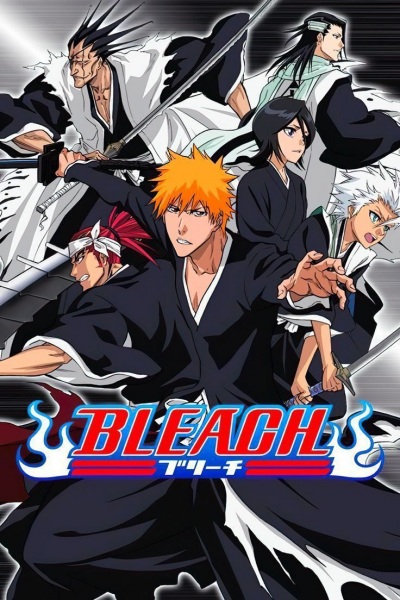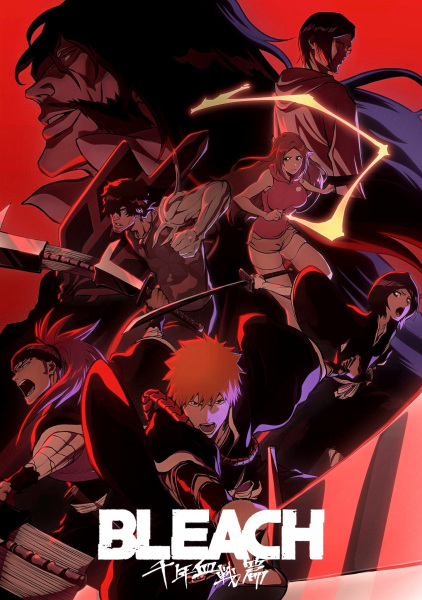

When Bleach returned in 2022 after nearly a decade off the air, it was one of anime's great comeback stories. The Thousand-Year Blood War — the manga's final arc, which the original anime never adapted — came back with a movie-tier budget, and it has been rolling out in cours ever since. Now Part 4 brings the whole saga to its conclusion, and it is a fitting end to one of the "Big Three" shonen. Here is everything to know.
Spoilers are kept general, but discussing a finale arc necessarily touches on where the story is heading.
What Bleach TYBW Part 4 Covers
The Thousand-Year Blood War is the final arc of Tite Kubo's manga, in which the Quincy army known as the Wandenreich, led by the ancient and terrifying Yhwach, launches an all-out war on the Soul Society. Each cour of the anime has adapted a chunk of this massive conflict:
- ›Part 1 (2022) established the invasion and its devastating opening blows.
- ›Part 2, "The Separation" (2023) deepened the war with the Sternritter and major captain battles.
- ›Part 3, "The Conflict" (2024) escalated toward the final confrontations.
- ›Part 4 delivers the climax — the ultimate battle against Yhwach and the resolution of the entire series.
Part 4 is where every thread the arc has been weaving finally comes together: the highest-stakes fights, the biggest reveals, and the emotional payoffs for characters fans have followed for two decades. It is the true ending of Bleach.
Why the Revival Is a Triumph
The original Bleach anime ended in 2012 without adapting this arc, leaving fans hanging for years — a genuinely bitter pill for one of the most popular shonen ever. The revival corrected that in the best possible way. Studio Pierrot came back with a completely upgraded production: cinematic lighting, fluid animation, a stunning soundtrack, and a darker, more mature visual tone that suits the arc's apocalyptic stakes.
Crucially, the revival also fixed pacing problems. The original series was infamous for filler and slow arcs; TYBW is lean, focused, and relentless, adapting the manga with care while adding scenes that flesh out underserved characters. It is the rare revival that not only meets fan expectations but arguably surpasses the source material's presentation. For a generation that grew up on Bleach, seeing it come back this good has been deeply satisfying.
Do You Need to Rewatch Before Part 4?
If it has been a while, a rewatch of the previous TYBW cours (or at least a recap) is genuinely helpful, because the arc has an enormous cast and many parallel battles that are easy to lose track of. At minimum, refresh yourself on the state of the war and the major Sternritter still standing before diving into the finale.
If you are brand new to Bleach entirely, you cannot start with TYBW — it is the final arc and assumes deep knowledge of the characters and world. You would need to watch the earlier series first (the good news: the pre-TYBW story, filler aside, holds up, and there are guides to skip the filler).
Where to Watch
Bleach: Thousand-Year Blood War streams on Hulu and Disney+ in many regions, with availability varying by country. All parts are available to catch up on, and Part 4 rolls out on the same platforms. Both subbed and dubbed versions are available, and the English dub — featuring the returning original cast — is widely praised.
What the Revival Means for Anime
Bleach's return matters beyond just Bleach, because it proved something important about the industry: there is enormous value in going back and finishing stories the right way. For years, the original anime's incomplete, filler-heavy ending was cited as a cautionary tale about how adaptations could squander great source material. The TYBW revival flipped that narrative entirely, showing that a beloved franchise could return after a decade and not just satisfy old fans but win new ones with a production that honored what made it special.
This has real implications for other unfinished or poorly-adapted classics. The success of Bleach's comeback, alongside revivals and remakes of other properties, signals that studios and streaming platforms increasingly see completing these stories as worthwhile investments rather than risks. For fans who grew up with anime that never got proper endings, that is genuinely exciting — it means the door is open for more of these redemption stories.
For Bleach specifically, the revival cements its legacy as one of the "Big Three" shonen alongside Naruto and One Piece. A generation grew up on Ichigo's journey, and seeing it finally reach a definitive, beautifully-animated conclusion provides a sense of closure that the franchise's fans waited a very long time for. Part 4 is not just the end of an arc; it is the proper ending to a story that helped define an entire era of anime, delivered with the care and quality that story always deserved. It is a fitting send-off for a shonen giant.