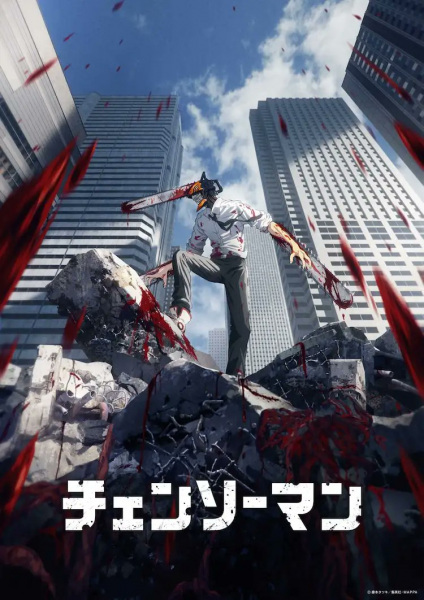

Chainsaw Man is not like other shonen, and that is exactly why it hit so hard. It is grimy where others are polished, funny in a bleak and horny and desperate way, and it treats its protagonist not as a chosen hero but as a broke, traumatized kid who just wants a normal life and some affection. When you finish it, ordinary battle anime feel sanitized. These ten shows capture different pieces of what makes Chainsaw Man special — the chaos, the gore, the tonal daring, and the messy human core.
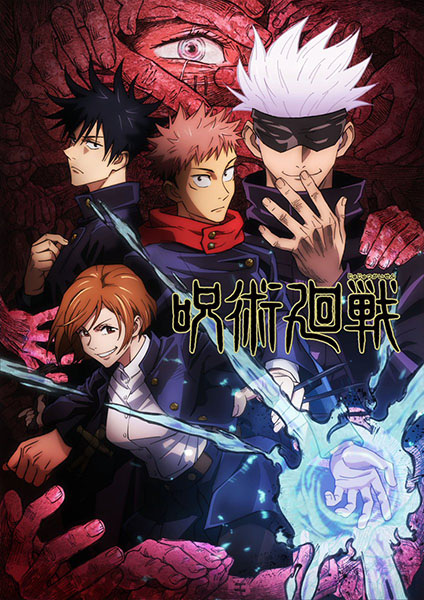
1. Jujutsu Kaisen
The natural first stop. Same publisher, same era, same blend of horror, comedy, and sudden devastating loss, with MAPPA's production behind both. If you want the closest tonal and visual sibling to Chainsaw Man, this is it. Cursed spirits instead of devils, but the same sense that the world is dangerous and unfair.
The deep cut that Chainsaw Man fans adore. A gloriously grotesque, funny, ultraviolent world where a man with a lizard head hunts sorcerers to recover his memories. It shares Chainsaw Man's exact sensibility — grimy, weird, hilarious, and strangely warm underneath the gore. If you loved the vibe more than the plot, Dorohedoro is your next obsession.
3. Dandadan
For the chaos and heart. Dandadan is unhinged in its animation and premise — aliens, ghosts, curses — but underneath is a genuinely sweet story about two lonely teenagers. That combination of maximum chaos and real emotional core is pure Chainsaw Man DNA, and Science Saru's production matches the energy.
4. Hell's Paradise
For the beautiful brutality. A death-row convict navigates a lethal island paradise full of grotesque monsters and body horror. It has the same willingness to be gorgeous and horrifying simultaneously, and the same high-stakes "anyone can die" tension that keeps Chainsaw Man so gripping.
5. Fire Force
Chainsaw Man author Tatsuki Fujimoto is a stylistic descendant of a certain manga sensibility, and Fire Force shares that lineage of stylish, kinetic action with a dark mystery underneath. The animation is consistently striking, and the world gets far bleaker than its premise suggests.
6. Akame ga Kill
For the "no one is safe" gut-punches. This one built its reputation on killing characters you love without warning — exactly the dread Chainsaw Man weaponizes. It is less polished, but if what you loved was the constant fear for your favorites, Akame ga Kill delivers it relentlessly.
7. Devilman Crybaby
The spiritual ancestor. Masaaki Yuasa's brutal, hypersexual, tragic take on the devil-human premise is arguably the closest thematic relative to Chainsaw Man — devils, doomed humanity, and an emotional core that turns devastating. It is intense and not for everyone, but Chainsaw Man fans owe it a watch.
8. Hellsing Ultimate
For pure stylish violence and personality. Alucard's over-the-top vampire carnage has the same "let the cool thing be maximally cool" instinct that Chainsaw Man indulges. Less heart, more spectacle, but a great companion for the action-junkie side of your brain.
9. Kill la Kill
For the sheer momentum and refusal to slow down. Trigger's berserk energy, escalating absurdity, and commitment to spectacle capture the "what am I even watching" joy of Chainsaw Man's biggest moments. It is comedy-forward, but the animation ambition and tonal fearlessness rhyme.
10. Gantz
The older, bleaker cousin. Ordinary people forced into a lethal game against grotesque aliens, with graphic violence and a nihilistic streak. It shares Chainsaw Man's willingness to make survival feel genuinely hopeless and its protagonists genuinely flawed. Rougher around the edges, but thematically kindred.
Which One First?
For the closest overall match, watch Jujutsu Kaisen. For the exact vibe, Dorohedoro. For the emotional core, Dandadan or Devilman Crybaby. Chainsaw Man is a singular show, but these ten cover every angle of what made it special — pick based on whether you crave the chaos, the gore, or the surprisingly tender heart at its center.
Understanding the Chainsaw Man Formula
Chainsaw Man works because of a contradiction most action anime never attempt: it is simultaneously one of the most violent, chaotic shows around and one of the most emotionally grounded. Denji is not a hero on a quest — he is a poor, neglected kid whose dreams are embarrassingly small (a full stomach, a girlfriend, a normal life), and the series treats those small dreams with total sincerity even while devils are tearing people apart around him. That gap between the enormity of the violence and the smallness of the human desire underneath is the engine of the whole thing.
The shows that truly capture Chainsaw Man understand this. Dandadan and Devilman Crybaby succeed because they, too, anchor their chaos in genuine tenderness and loneliness. Dorohedoro nails the grimy, funny, lived-in texture. Jujutsu Kaisen matches the production polish and the willingness to kill. The ones lower on the list deliver individual pieces — the gore, the style, the shock — without the beating heart, which is why they scratch part of the itch but not all of it. When you pick your next watch, ask yourself whether you loved Chainsaw Man for the carnage or for Denji, and choose accordingly.