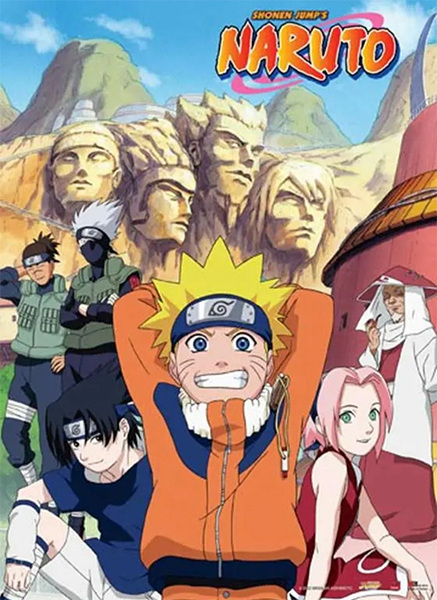

Naruto is the series that pulled millions of people into anime. The combination of an underdog protagonist who refuses to stay down, deep lore about ninja clans and bloodline powers, and a rivalry dynamic that was genuinely complex all made it unlike anything else running at the time. When you finish it — or finish Shippuden, which is its own considerable time investment — the question everyone asks is the same: what now?
I have been through this myself. I have recommended these shows to people who had just finished Naruto and I have watched them come back with exactly the reactions I expected. Here are the ten anime I recommend, in order of how closely they scratch the specific itch.
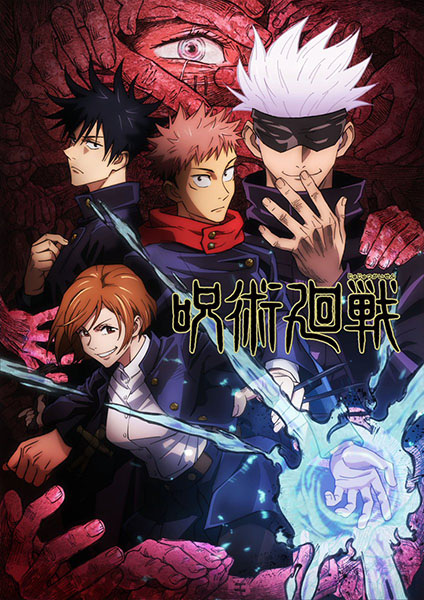
1. Jujutsu Kaisen
Jujutsu Kaisen is the most Naruto-adjacent anime of the 2020s, and it is excellent.
Yuji Itadori is a physically gifted teenager who swallows a powerful cursed object to save his classmates and becomes the host body for Ryomen Sukuna — the most dangerous curse in existence. He gets recruited by a jujutsu sorcerer school and trained to hunt curses, a supernatural energy born from negative human emotion.
The action is better animated than anything in Naruto. The supporting cast is immediately compelling — Megumi is the reluctant genius rival, Nobara is the aggressively confident third wheel, and Gojo Satoru is a teacher who feels like Kakashi taken to an absolute extreme. The Shibuya Incident arc in Season 2 is one of the best action anime arcs of the entire decade.
If you finish Naruto and ask me what to watch next, this is what I say first.
---
2. My Hero Academia
My Hero Academia is functionally the same premise as Naruto translated into a superhero world. Izuku Midoriya is born without a Quirk — a superpower — in a world where 80% of people have them. He wants to be the greatest hero alive and is told repeatedly that he cannot be.
The early seasons are some of the best shonen made in the 2010s. The tournament arc in Season 2 is excellent. The rival relationship between Midoriya and Bakugo develops with more genuine psychological complexity than most shonen rivals manage. If you stalled on Naruto during the infamous filler runs, you will appreciate that MHA's pacing is considerably tighter, at least in the earlier seasons.
Seasons 6 and 7 represent a permanent tonal shift toward something darker and heavier. The series is building toward a conclusion and the stakes feel genuinely real.
---
3. Black Clover
Black Clover gets dismissed too quickly, often because of Asta's vocal performance in early episodes. Stick with it in Japanese or wait for the dub to settle in around episode twenty.
Asta is born in a world where everyone has magic. He has none. He wants to become the Wizard King. His childhood rival Yuno is a natural genius who received a legendary four-leaf grimoire at the ceremony where Asta received nothing. The dynamic between them is almost a direct echo of Naruto and Sasuke, and the show knows it and leans into it.
The first fifteen episodes are rough. Around episode twenty the show finds its footing, and by the time the Spade Kingdom arc arrives it is producing some of the most entertaining action anime around. The final arc is genuinely great. Give it time.
---
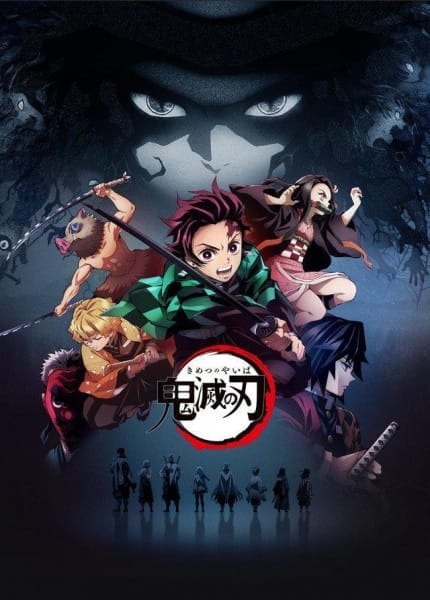
4. Demon Slayer
If you want the emotional core of Naruto — protecting family, refusing to give up, fighting to preserve something you love — in a more focused package with modern animation, Demon Slayer is your answer.
Tanjiro Kamado comes home to find his family slaughtered by a demon and his sister Nezuko turned into one. He trains to become a demon slayer, find a cure for Nezuko, and take revenge. The sibling relationship at the center of the story is what makes it work — every fight has emotional stakes beyond just the combat itself.
Demon Slayer does not have Naruto's depth of world-building, but it makes up for it in heart and in animation quality that is frequently the best of any action anime in a given season.
---
5. Bleach
Bleach was part of the same generation as Naruto — both were part of the so-called "Big Three" alongside One Piece. Ichigo Kurosaki is a teenager with the ability to see ghosts who becomes a Soul Reaper, a supernatural warrior who guides the dead to the afterlife and fights monstrous beings called Hollows.
The Soul Society arc is one of the greatest long arcs in shonen history — a jailbreak story with incredible fight choreography and genuine emotional stakes. The recent Thousand-Year Blood War adaptation uses modern animation to finally give Bleach's fights the visual treatment they always deserved. If you want to revisit the Big Three era with something fresh, that adaptation is stunning.
---
6. Fairy Tail
Fairy Tail is comfort food shonen. If you want the warmth of Naruto's found-family theme — the village as home, the guild as family, fighting for the people beside you — without the extended emotional devastation of Shippuden, Fairy Tail delivers that consistently.
Natsu and Lucy are the leads, but Fairy Tail is really an ensemble show about an entire guild of chaotic, loving, embarrassingly powerful wizards. Every arc ends with Fairy Tail winning because they care about each other too much to stay down. Some people find this formula repetitive. I find it reliably satisfying.
---
7. Blue Exorcist
Blue Exorcist has one of the best premises in shonen: Rin Okumura discovers he is the literal son of Satan. His response is to enroll in exorcist school and train to kill his biological father.
The school setting, the rival dynamic with his human twin brother Yukio, and Rin's struggle with a power that other exorcists fear all echo Naruto's themes closely. Season 1 deviates from the manga partway through and creates its own ending. Season 2 adapts the manga properly. Watch both.
---
8. Soul Eater
Soul Eater is set at a Death Weapon Meister Academy, where students who transform into weapons partner with students who wield them and go on missions to collect corrupted souls. The visual aesthetic is unique and deliberate — the sun grins, the moon bleeds, everything looks slightly wrong in a way that is also beautiful.
Maka and her partner Soul are the main pair, but the ensemble cast is large and well-used. The series has the mission structure, the rival characters, the escalating threats, and the found-family dynamic that Naruto fans respond to.
---
9. Boruto: Naruto Next Generations
I know. But Boruto improves significantly after episode one hundred, and the Kawaki arc in particular is doing interesting things with the world Naruto built. If you want to stay in the Naruto universe and have already seen everything, it is worth revisiting with managed expectations.
The Timeslip arc and everything following it in the manga is genuinely compelling. The anime catches up eventually.
---
10. Hunter x Hunter (2011)
I saved this for last not because it is the worst recommendation — it might be the best — but because it belongs in a slightly different category. Hunter x Hunter is not trying to be like Naruto. It is doing something more complex and more subversive with the shonen format.
Gon Freecss is a boy who wants to become a Hunter like his missing father. He meets Killua Zoldyck, the heir to an assassin family, and they become friends in the way of children who have each never met anyone else like themselves.
The Chimera Ant arc is the greatest extended anime arc I have watched. It takes everything you expect from shonen and dismantles it slowly and systematically from the inside. If you want something that loves the genre enough to critique it, this is the one.
---
Which to Watch First?
Jujutsu Kaisen if you want the closest modern equivalent. Demon Slayer if you want something emotionally similar with better animation and a more manageable episode count. Hunter x Hunter if you are ready for something that will change what you expect from the genre entirely.
Naruto is irreplaceable, but these ten come closer to replacing it than anything else I know.